
OWEXX brand identity design – professionalism and a chance to stand out
OWEXX offers brand identity design that ensures your company's communication is professional across all media.
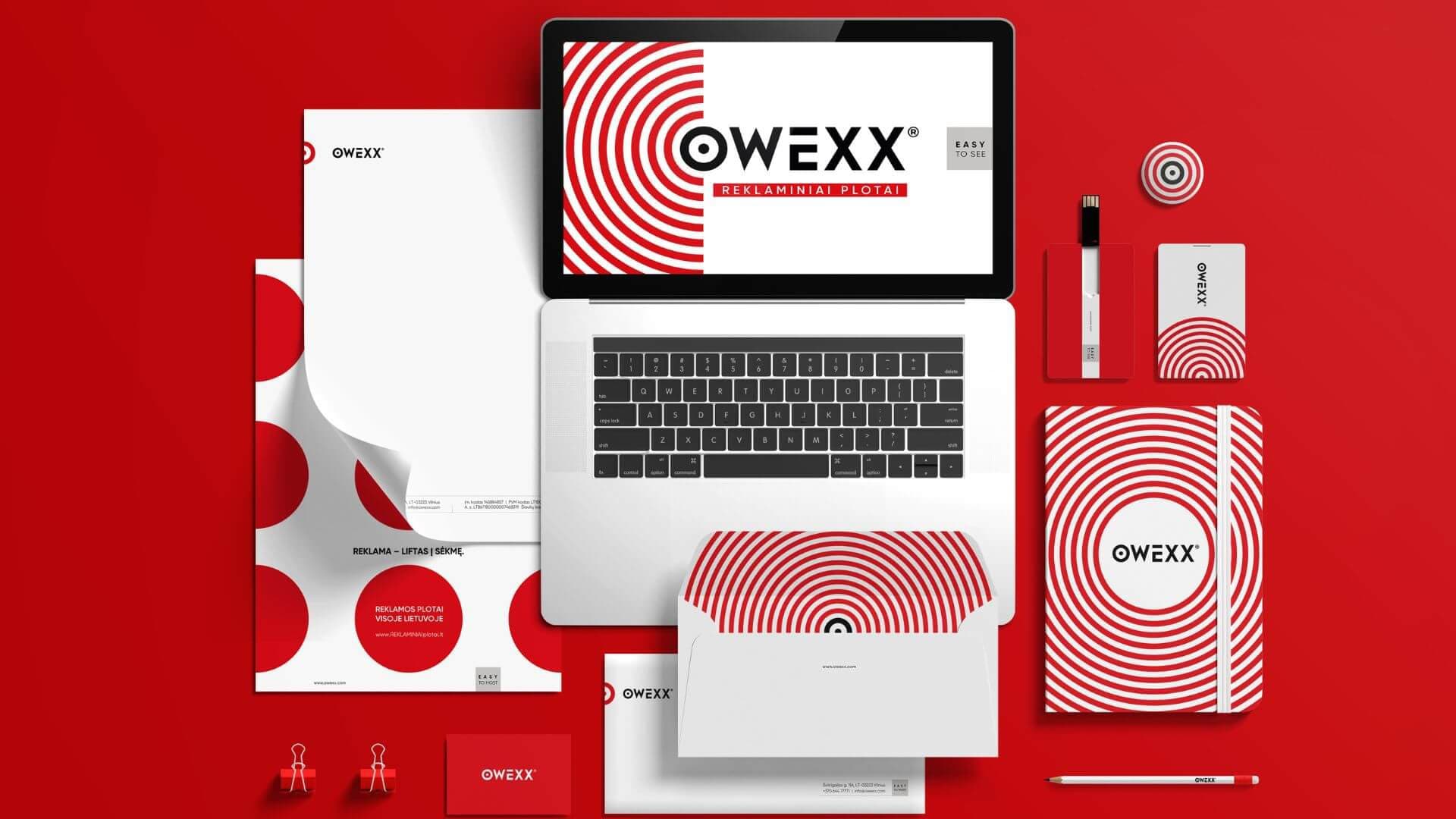
Brand identity design is a crucial stage in building any business or organisation. A brandbook, also known as a style guide or brand guide, is a key element that ensures consistency in business communication and image – the key to recognition, customer loyalty and trust. A brandbook details elements such as the logo, colours, fonts and more, which are an integral part of shaping a company's identity. The rules set out in the brandbook are used by both the company team and its partners – the brandbook ensures consistent company communication and is a mark of the company's professionalism and reliability. In a competitive market, it is important to stand out, build a solid company image and leave a memorable impression in consumers' minds. OWEXX offers brand identity design that ensures your company's communication is professional across all media.
Why is brand identity so important?
A company's style is like the outfit a potential customer sees first. Or somewhat like the office space where clients or partners are welcomed. The walls may not "speak" about who you are, but they can shape the first impression. Brand identity, applied across all communication channels, can say a great deal about a company. We often have only a few moments to make a first impression, so it is worth using them as effectively as possible.
A well-crafted brand identity and the guidelines set out in the brandbook are a strategic business tool, so their importance cannot be underestimated. To maintain a consistent and recognisable business image, this work should not be treated as secondary – a great deal depends on a well-designed, professional brand identity: the logo, website, business cards, even workwear. The brandbook defines how a company presents itself to the world and ensures that all image and communication elements – from the logo to the colours – align with the company's mission, values and tone of voice.
Consistency of image across all communication channels helps raise brand awareness, sets the business apart from competitors and helps build a circle of loyal customers. Ultimately, a brand identity guide streamlines work processes, because both employees and partners know what the communication should look like. This reduces the risk of miscommunication and errors, builds the image of a reliable, professional and solid business, strengthens the company's reputation and contributes to business growth and success.
A brandbook is not just a collection of graphic elements such as logo usage, colours or fonts. It also sets out the mission, values and more, which form the basis for creating the graphic elements. That is why not only design matters here, but also psychology – the business's decision on what communication with customers, partners and others should be like, and what the business's identity is.
Once the brandbook is prepared, the company's marketing and communications staff know clearly how to use the logo, fonts and colours, and what communication with customers should look like; PR representatives know what the company's external communication should be and what story the business wants to tell. There is no need to clarify each time what tone or colours to use, mistakes are avoided, and all the structured information is found in one book. By building unified communication across all areas, the brand becomes more easily recognisable and trustworthy, and a connection with the customer is built that drives business success.
A professionally and creatively designed brand identity is the foundation for further business-building processes. An incomplete brand identity can result in a low-quality and unattractive website and a lack of consistent communication. Brand identity determines a great many details important for everyday communication – from documents to social media, from the website to office premises and more. That is why it is best to entrust this work to professionals, because a solid foundation leads to a successful start and good results.
OWEXX brand identity design – professionalism and the highest quality standards
Creating a corporate identity and brand style guide is a process that requires experience and specific expertise. It calls for listening closely to the client's individual needs, understanding the business mission, vision, goals and values, the target audience, refining the tone of voice, communication guidelines and, ultimately, building a unified and coherent visual communication. A thorough competitor analysis is also essential here. A properly prepared style guide will not only streamline work processes but also contribute to business success, because high-quality, appealing communication builds a connection with the user. OWEXX, with years of experience in this field, offers professional corporate identity and style guide development services, and also creates names, logos and websites – you can entrust your entire business image to professionals.
What makes up a style guide? In short, every style guide is individual and depends on the client's needs, because it is developed through ongoing communication. Although every style guide is different, created and tailored to a specific business, a few elements must always be included – an introduction, the logo, the colour palette, fonts, public communication elements and photography. A style guide can only be created and approved by highly qualified specialists.
A style guide includes not only technical descriptions but also the business idea, mission, values, goals and history. This is the foundation for creating visual communication. Colours and fonts are also very important parts of a corporate identity. The style guide specifies the primary colours and their combinations to be used across all areas of the company's operations and communication. It also indicates which colours and combinations should be avoided. Colours create long-lasting associations in the consumer's mind, so choosing them is an important step. Fonts are no less important – the style guide specifies in detail which fonts should be used and where. The photography section defines which illustrations will be used for the company's communication, while the communication section sets the boundaries of the company's communication, for example, the tone of voice in public communication, the language, which words to use and which to avoid.
One of the most important parts of a style guide is the logo. The style guide specifies how the logo should be used, provides its different versions (for example, colour and black-and-white), where each version should be used (for example, for web portals, social networks, etc.), gives the logo dimensions, recommended proportions, and so on. Since the logo is a very important part of building a business image, it is often recommended to create it together with the corporate identity so that the desired image is refined, consistent and memorable. OWEXX specialists say that professional logo design is an inseparable part of business success.
The parts listed above are the elements most commonly found in style guides. Other parts depend on individual needs – for example, some companies place great importance on employee image, so a lot of attention is given to detailing the corporate clothing, while others focus on communication in the office or on company vehicles.
The scope of a style guide is also individual and depends on the nature and needs of the business. A large business – with a large team, offices and stores, and many activities – will need a particularly detailed style guide that defines a wide variety of things. This also applies when the business is international – a detailed, extensive style guide is likewise needed to maintain identity and ensure image consistency. In such cases, the style guide specifies not only general guidelines but also describes how the smallest tables or the tiniest online banners should look, so that as little room as possible is left for interpretation and a unified, easily recognisable company image is preserved. And, of course, as the business grows purposefully, the style guide grows too, continually being expanded with new points.
The most important thing is to entrust corporate identity development to a professional team that will create a comprehensive style guide meeting your needs. You can entrust OWEXX not only with corporate identity development but also with creating your company name, logo and website. That way you can be sure your business image will be distinctive and memorable, and your communication consistent and building a connection with the user.
Frequently asked questions
What is a brandbook and who is it for?
A brandbook is a document that describes the logo, colours, fonts and other elements of a company's identity. It is used by both the company's team and its partners to ensure consistent communication and professionalism.
Why is brand identity important for business?
Brand identity shapes the first impression of a company, helps it stand out in a competitive market, increases recognition and builds a circle of loyal customers. It also streamlines workflows and reduces the risk of miscommunication.
What does a brandbook consist of?
A brandbook should always include an introduction, logo, colour palette, fonts, public communication elements and photography. It also presents the business idea, mission, values, goals and history.
Why should you entrust brand identity creation to professionals?
Creating a brand identity requires experience and specific expertise, as it involves listening to the client's needs, understanding the business mission and analysing competitors. Professionals ensure high quality and consistent communication across all media.
Read more
Related articles
Advertising
From idea to visibility: OWEXX advertising spaces
OWEXX advertising spaces offer the opportunity to choose different advertising solutions in one place – the platform reklaminiaiplotai.lt offers the largest selection of advertising spaces in Lithuania.
Read article
Advertising
Different advertising channels, one goal: effective communication solutions with OWEXX
Being visible matters – but being visible in the right place at the right time matters even more. This is exactly where the value that OWEXX advertising spaces create for businesses comes into play.
Read article
Advertising
OWEXX wishes you a happy upcoming Easter
The OWEXX team sends sunny and bright wishes for the upcoming Easter.
Read article